

Activated charcoal
Carbo activatus
A fine black powder traditionally used as a binder in cleansing routines.
Take a look around, or let us help you find a place to begin.
Our standards
You deserve to understand exactly what you’re taking, why it’s there, and how to use it with care. These are the standards behind every blend.

Simple commitments, kept on every page and in every pouch.
If you ever have a question about an ingredient, ask us. You should never have to guess.
The complete list of herbs in our blends, with the part of the plant we use and how each one tastes.
Carbo activatus
A fine black powder traditionally used as a binder in cleansing routines.

Medicago sativa
A mild, grassy leaf, traditionally valued as a nourishing green.

Berberis vulgaris
A bright yellow, deeply bitter compound from barberry root, long valued in traditional herbalism.

Actaea racemosa
A North American woodland root, long used in traditional herbalism by women in midlife.

Piper nigrum
Warming peppercorns, traditionally paired with turmeric in teas and cooking.

Juglans nigra
The green outer hull of the black walnut, a traditional cleansing botanical.

Arctium lappa
An earthy, slightly sweet root traditionally used to support normal liver function.

Calendula officinalis
Bright golden petals of the pot marigold, long used in traditional herbal care.

Cinnamomum verum
A sweet, delicate bark, warming in the cup and traditionally used to support comfortable digestion.

Matricaria chamomilla
A classic evening herb with a soft, honeyed flavor.

Cichorium intybus
A bitter, coffee-like root traditionally used to support digestion and regularity.

Syzygium aromaticum
Warming, aromatic flower buds, traditionally used to support comfortable digestion.

Viburnum opulus
The bark of the guelder rose, traditionally used to soothe occasional menstrual cramps.
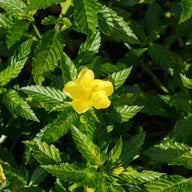
Turnera diffusa
A fragrant leaf native to the Americas, traditionally used to support calm and vitality.

Taraxacum officinale
A pleasantly bitter root traditionally used to support normal liver function and digestion.

Linum usitatissimum
Mild, nutty seeds, ground and eaten in the first phase of seed cycling.

Zingiber officinale
A warming root used in teas for generations.
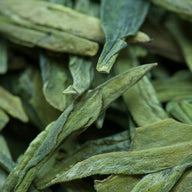
Camellia sinensis
A fresh, grassy leaf with light natural caffeine, naturally rich in antioxidants.

Ocimum tenuiflorum
Known as tulsi, a sacred basil with a clove-like scent, traditionally used to support calm.

Humulus lupulus
The soft green cones of the hop vine, traditionally used to support restful sleep.

Alchemilla vulgaris
A soft, scalloped leaf with a long tradition in women’s herbalism.

Lavandula angustifolia
Fragrant purple flower buds, traditionally used to support calm and relaxation.

Melissa officinalis
A bright, lemony leaf from the mint family.
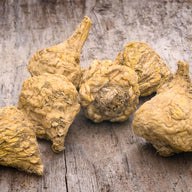
Lepidium meyenii
An Andean root with a malty, nutty taste, traditionally used to support energy.

Silybum marianum
The seed of a purple-flowered thistle, traditionally used to nourish the liver.

Leonurus cardiaca
A bitter herb of the mint family, long used in traditional women’s herbalism to support calm.

Urtica dioica
A mineral-rich green with a grassy, gentle taste.

Avena sativa
The green stems and tops of young oats, traditionally sipped as a gentle, nourishing tea.
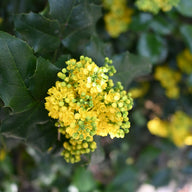
Mahonia aquifolium
A bitter, golden-yellow root traditionally used to support normal liver function and digestion.

Cucurbita pepo
Nutty green seeds, eaten in the first phase of seed cycling.

Trifolium pratense
A pink meadow blossom with a mild, sweet taste, long used in women’s herbal traditions.

Rubus idaeus
A traditional herb in women's teas, with a mild, earthy flavor.

Rosa damascena
Fragrant petals, traditionally used to bring calm and comfort to tea and ritual.

Rosmarinus officinalis
A piney, aromatic leaf, long valued in traditional herbalism and the kitchen.

Salvia officinalis
A soft, silvery leaf with a warm, savory taste, long valued in traditional herbalism.

Smilax ornata
The earthy, lightly sweet root of a tropical vine, long valued in traditional herbalism.

Sesamum indicum
Tiny, nutty seeds, ground and eaten in the second phase of seed cycling.

Asparagus racemosus
An Ayurvedic root from a climbing asparagus, traditionally valued as a nourishing herb for women.
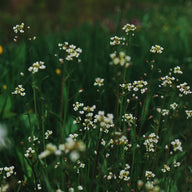
Capsella bursa-pastoris
A wayside herb with heart-shaped seed pods, traditionally used to support menstrual comfort.

Mentha spicata
A cool, sweet mint, traditionally valued in women’s herbal teas.

Helianthus annuus
Buttery seeds, eaten in the second phase of seed cycling.

Origanum majorana
A sweet, softly aromatic leaf traditionally used to support calm and comfortable digestion.

Curcuma longa
A golden, earthy root traditionally used to support a balanced inflammatory response.

Vitex agnus-castus
Chaste tree berry, traditionally used in women’s herbalism to support a balanced cycle.

Artemisia absinthium
An intensely bitter, silvery herb, long used in traditional digestive and cleansing blends.

Achillea millefolium
A feathery-leaved wildflower traditionally used to support menstrual comfort.
Please talk with your healthcare provider before using herbal products, especially if you are pregnant, breastfeeding, trying to conceive or taking medication.
